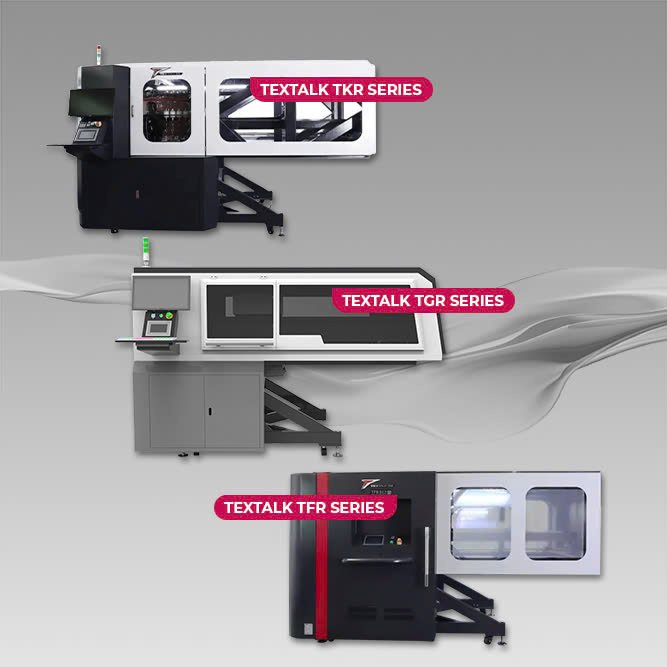
Textalk Hybrid
Screen Printing Machine:
Digital + Automatic Screen
Turn an existing automatic screen printing machine into a hybrid line by adding a Textalk digital station:
- Hybrid workflow: screen printing + digital DTG in one production line
- Fits existing autos/ovals: designed to mount onto popular automatic or oval systems
- Built for scale: stable operation for large production environments
What is A Hybrid Screen Printing Machine?
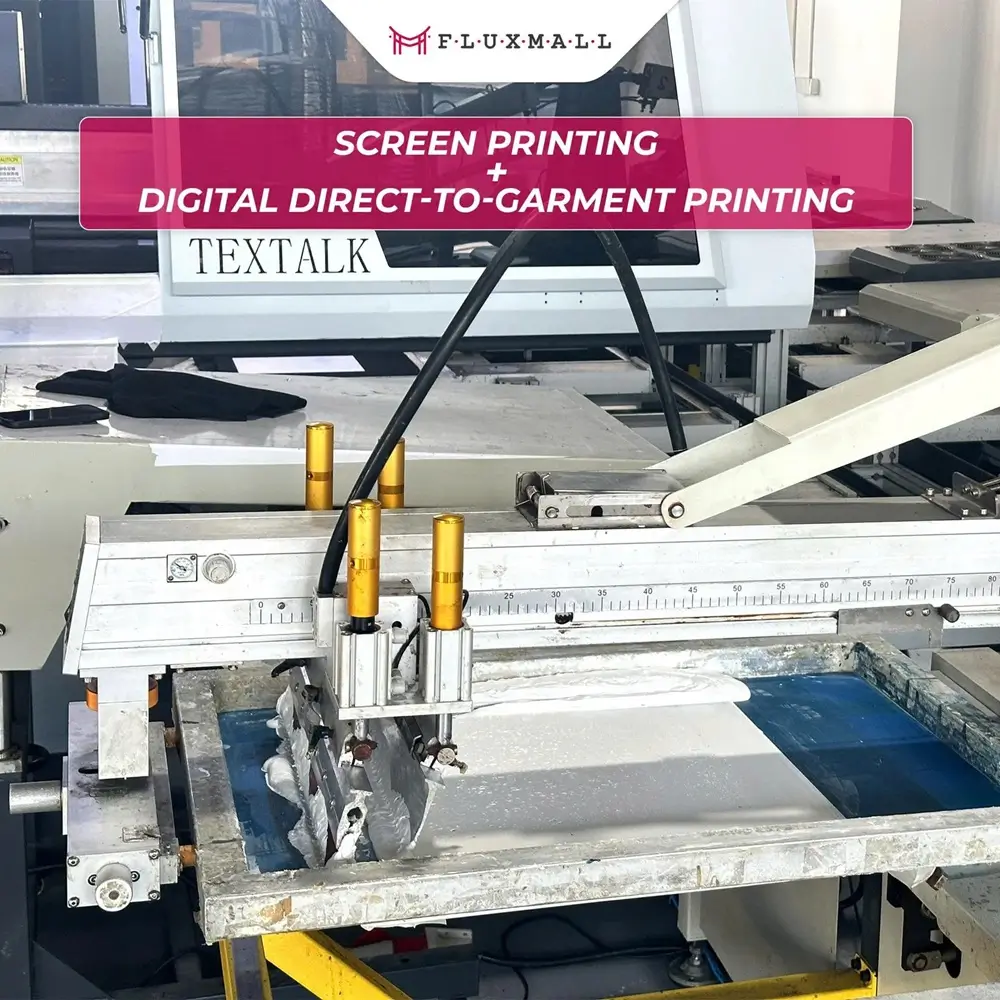
A hybrid screen printing machine, or hybrid DTG printer for short, is a combination of traditional screen printing and modern direct-to-garment (DTG) printing. This system combines an automatic screen printing carousel with a DTG printing station in the same production flow. Screen printing handles the heavy coverage and speed, while the DTG station adds high-detail color, gradients, and sharp design.
At the present time, many factories are gradually shifting from traditional screen printing to this hybrid DTG printing method. The reasons for this trend can be summarized in three main points:
- Keep what already works, mainly their screen printing auto line. Because of this method, they don’t need to change all the setup to have this new technology, which helps them save a lot of money.
- Add flexibility for small runs, special designs, and last-minute changes. Because screen printing only shines when printing large quantities of a single design. It cannot print multiple different designs in a small order, something that DTG does well.
- Reduce the number of screens required for intricate, full-color artwork based on workflow, which helps to significantly reduce labor, time, and money.
Digital Screen Printing Machine vs. Hybrid:
What’s the Difference?
People often search “digital screen printing machine” when they want digital capability without losing screen printing speed. In other words, a digital screen printing machine is also a hybrid printer. And at Fluxmall, the “digital” part uses DTG technology.
Let’s briefly differentiate between hybrid printing, screen printing, and digital DTG printing.
- First, a “DTG-only” approach prints everything digitally, from underbase to color details. From start to finish, the printer will do all, whereas the workers simply need to add the garment to the printer.
- On the other hand, screen printing involves printing the design using an automatic screen line. Each screen had to have someone add ink and supervise. And when the design changed, the screen had to mount the new design on the press.
- On balance, a Textalk hybrid approach upgrades your existing automatic screen line by adding a digital DTG station. Screen printing will handle the base ink layer, while DTG printing will print full-color artwork, gradients, and variable data.
If you want to learn more about these three techniques and compare them in terms of cost and flexibility, then this comparison article is for you.
Upgrade Your Auto Screen Printing Machine
Textalk hybrid systems are designed to integrate with existing automatic screen printing setups and can be mounted onto popular oval systems (commonly referenced with brands such as MHM/KTK/ROQ in integration discussions).
What integration typically includes:
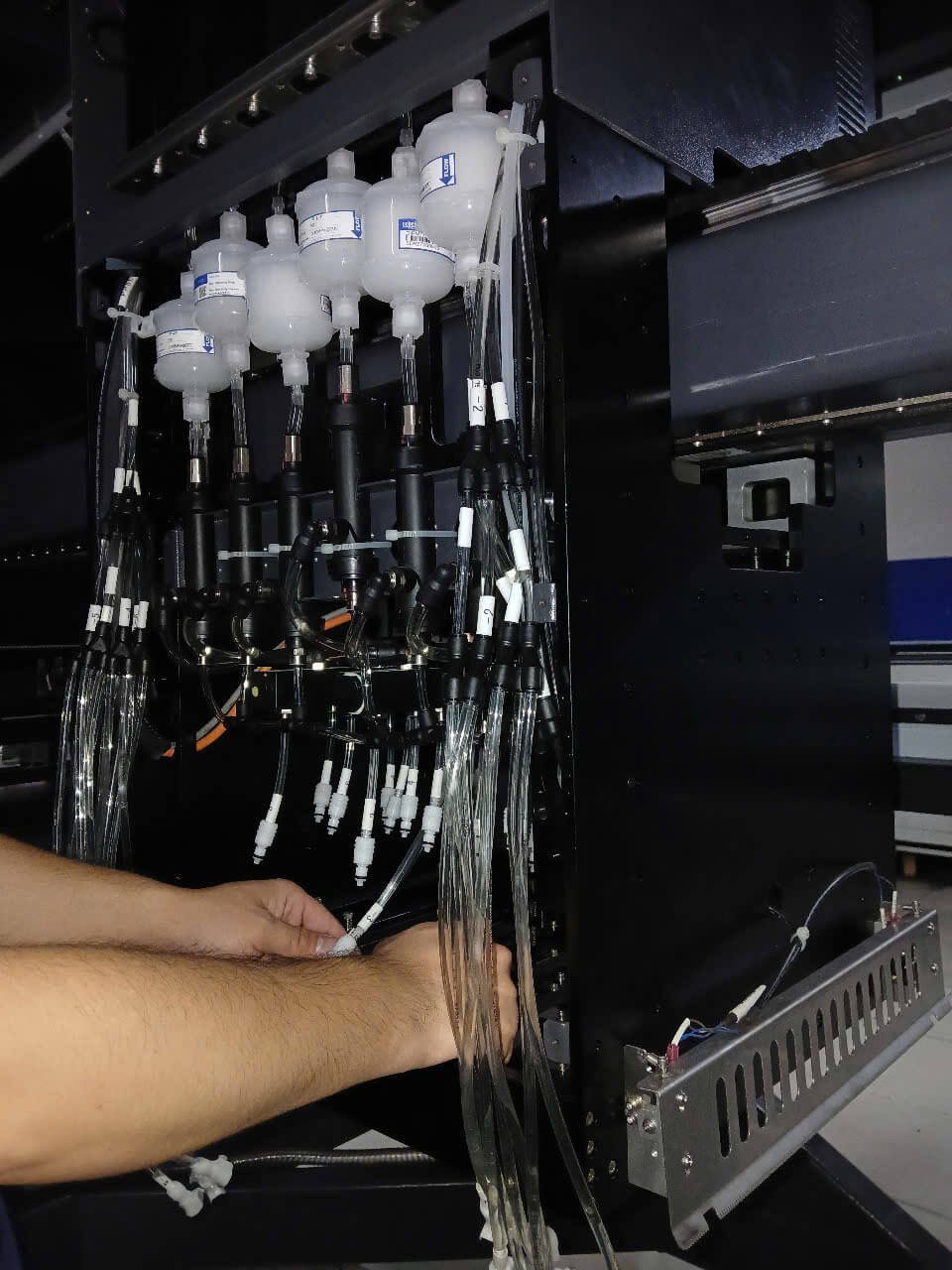
Mechanical mounting onto the existing line. No need to fully rebuild the system.
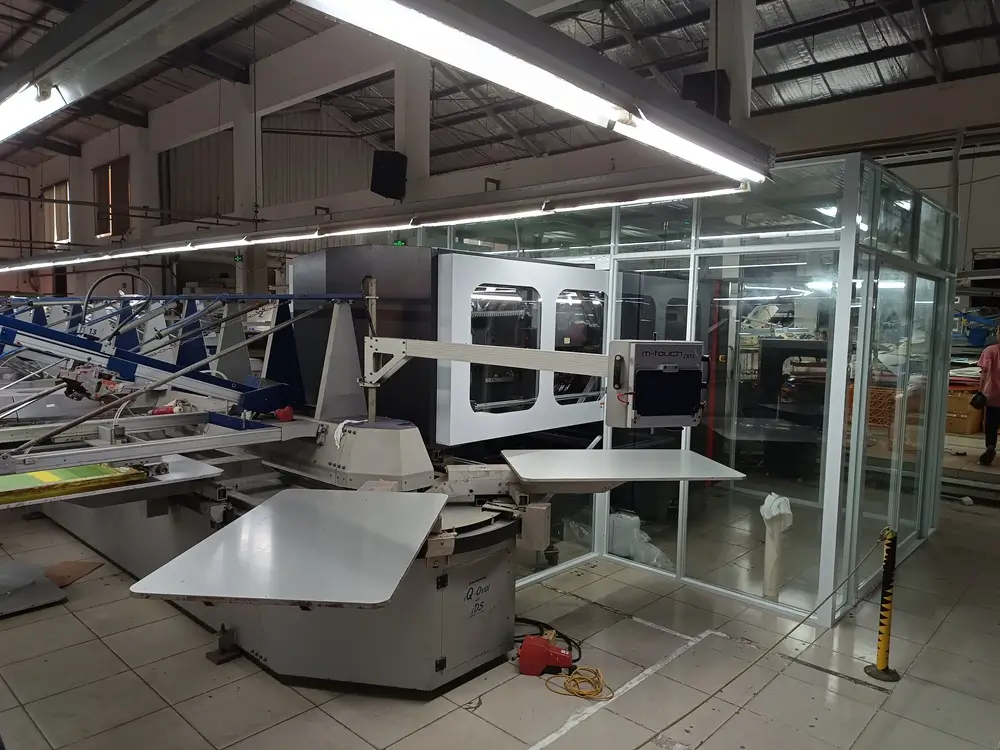
Production coordination so the digital station fits into the cycle. Create an integration-focused workflow.
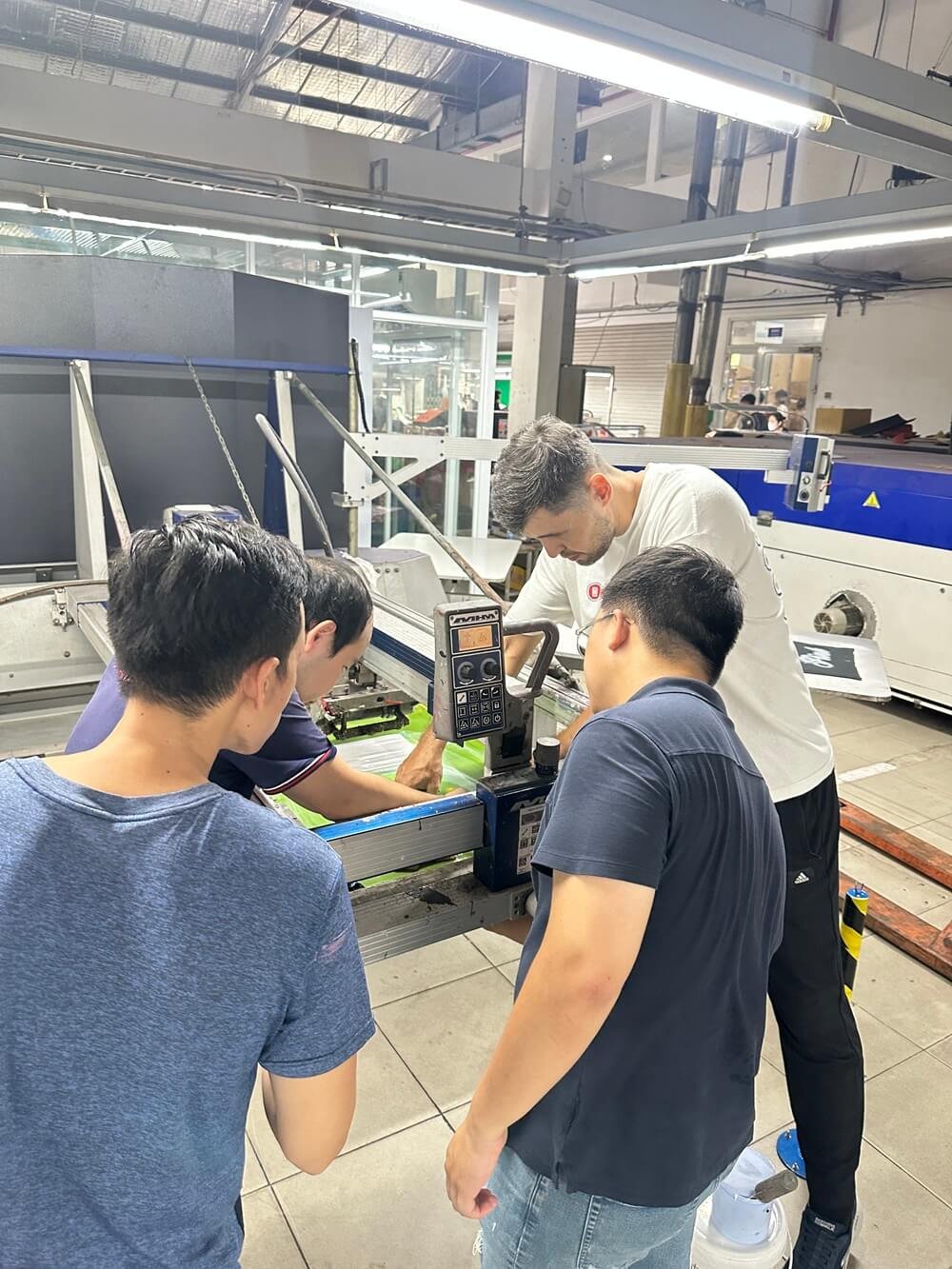
Operator training and setup for stable daily output. This offer is our service promise for customers.
If you want to learn more about how to upgrade your auto screen printing machine, then Fluxmall’s Key Insights to Help Your Garment Factory Upgrade from Screen/DTG Printing article is perfect for you.
Textalk Hybrid Models for Mass Production
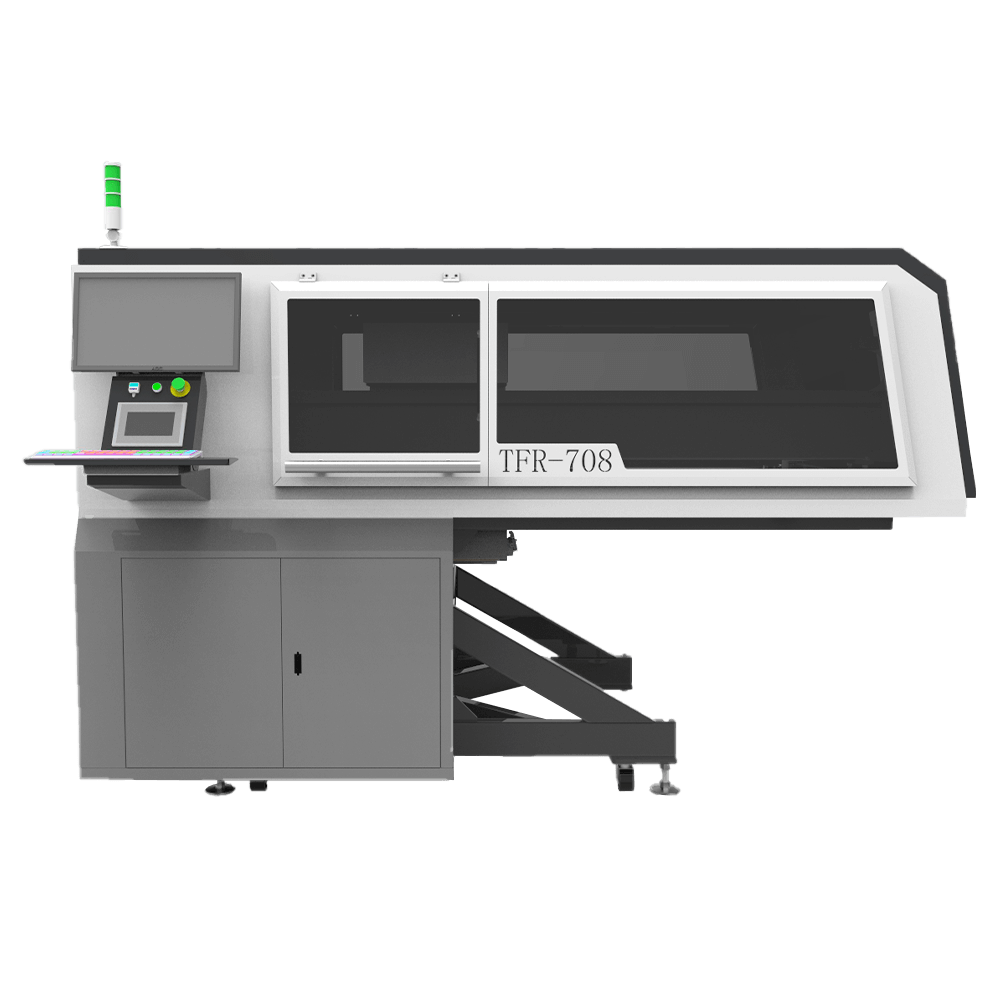
Textalk hybrid lines are commonly presented as model families, for example, the TGR Series, TFR Series, and TKR Series. They are designed for different production needs, with outputs in the “hundreds of pieces per hour” class depending on configuration and workflow.
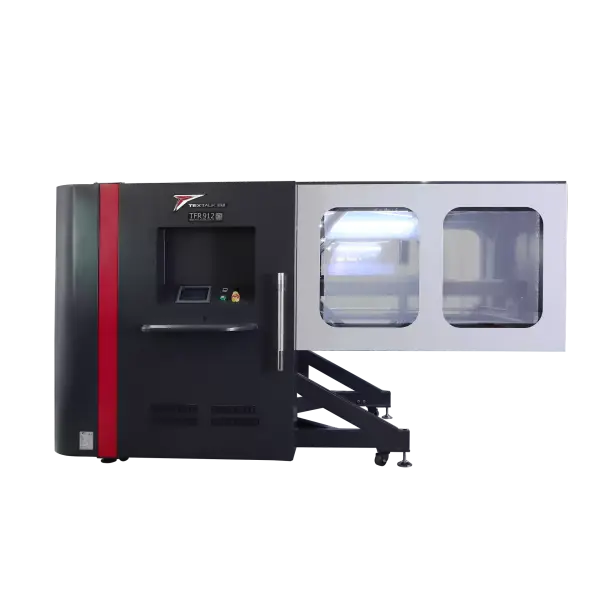
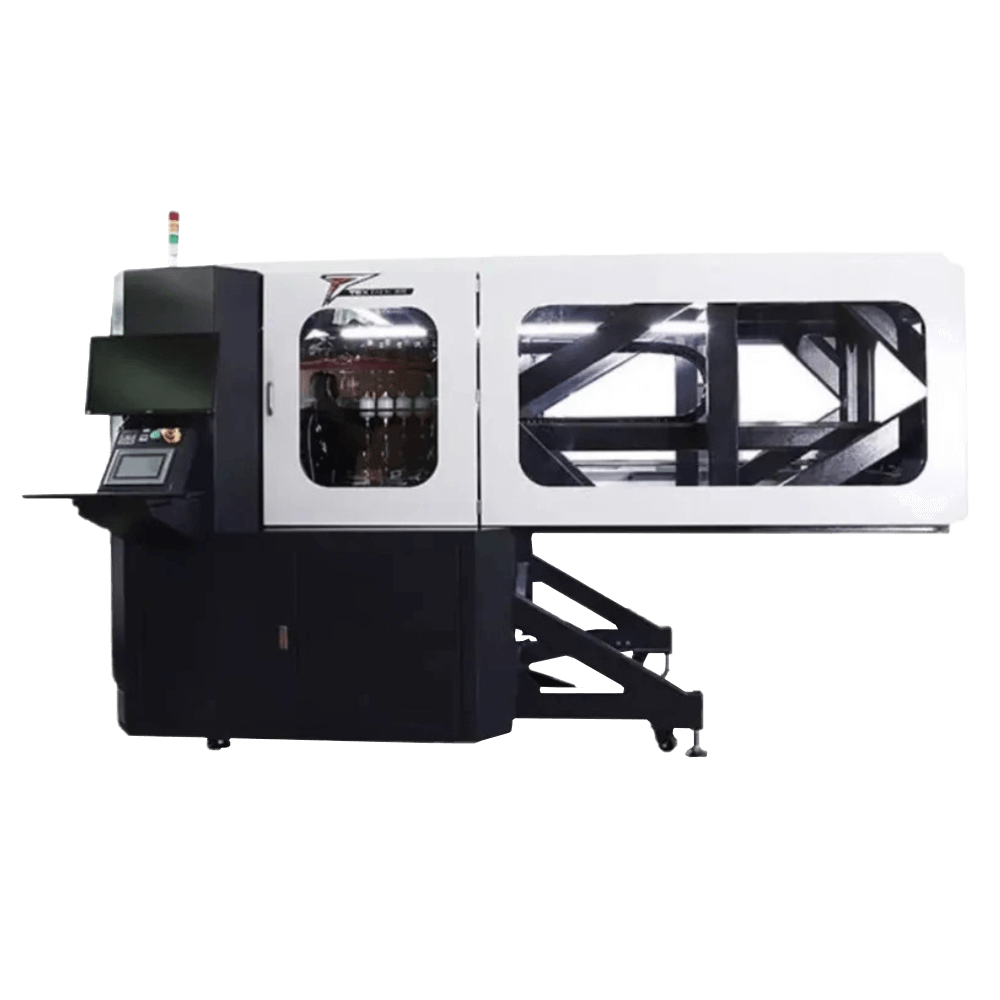
If you want a clearer comparison of the differences between the 3 models, then this article is for you. It delves into the differences between all three series, helping you choose the model that best suits your needs accordingly.
What You Can Produce With Hybrid Printing
Hybrid printing is ideal for businesses looking to target various markets, such as clothing, home textiles, and promotional items. For example:
- Dark and light garments (workflow-dependent).
- Corporate and promotional apparel.
- Fashion runs with frequent design changes.
- Complex multicolor artwork where speed and detail both matter.
FASHION
PROMOTIONAL

HIGH DETAIL ARTWORK
Why the Textalk Hybrid Screen Printing Machine?
Services
in
One
Place
Frequently Asked Questions
What is a hybrid screen printing machine?
A hybrid machine combines automatic screen printing with a digital DTG station in the same line. So you can run high-volume work and high-detail designs efficiently.
Is this the same as a digital screen printing machine?
Not exactly. “Digital screen printing machine” is often used loosely. In contrast, our hybrid printer is hybrid DTG. This printer approach keeps screen printing for speed while adding digital DTG capability for detail and flexibility.
Can Textalk hybrid work with an oval printing machine?
Yes, it can. In fact, hybrid setups are presented as designed to mount onto popular automatic/oval systems, with integration as the core approach.
How do I choose the right hybrid model?
Choose based on daily output target, required print size, design complexity, and your existing machine type. In general, a sample print test is the fastest way to validate.
How much does a hybrid screen printing machine usually cost?
Exact pricing usually depends on your line, configuration, and production target. For example, printhead configuration will affect the speed target and also change the cost of the setup. By the same token, your print size requirements can also change the cost.
Schedule your Appointment or Contact us today